

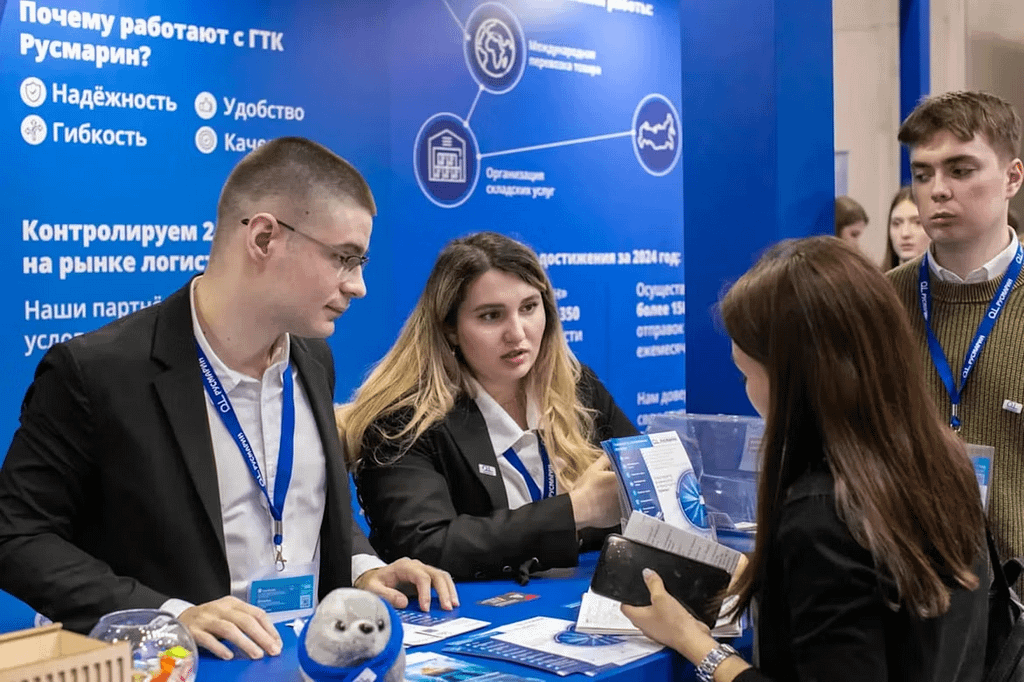
Business events offer a powerful way to connect with potential clients and partners. But to truly make an impact, you need to cut through the noise by setting clear business goals. A crowded exhibition hall is full of competitors all vying for the same attention. Simply showing up isn’t a strategy. To make a real difference and get a return on your investment, you need a thoughtful approach. This covers everything from promoting your presence before the event to following up afterwards. Standing out takes planning, creativity, and a focus on giving real value to everyone you meet.
Setting Clear Event Goals
Before you book a flight or design a banner, figure out what success looks like for your business. Without clear goals, you can’t measure your performance or justify the cost. Your goals should be specific, measurable, achievable, relevant, and time-bound (SMART). Vague ideas like “increase brand awareness” aren’t helpful. Instead, turn that into a concrete target, such as “gain 200 new social media followers and 50 email subscribers from the event.” Other good goals could be booking a certain number of sales meetings, getting feedback on a new product from a specific group, or securing a partnership with another company attending.
Pre-Event Promotion Tactics
The groundwork for a successful event starts weeks before the doors even open. You need to build excitement and let your network know you’ll be there. Start promoting your attendance on social media platforms like LinkedIn and Twitter, using the event’s official hashtag. Send a targeted email campaign to your customer and prospect lists, inviting them to visit your booth. Maybe offer a small incentive for scheduling a meeting in advance. A solid pre-show strategy helps you market an event successfully by making sure you have a steady stream of visitors from day one. For a more detailed plan, a comprehensive event marketing guide can give you a valuable structure for your promotional activities.
Creating Engaging Booth Experiences
Your booth is your home base during the event, and it should be more than just a table with brochures. Create an experience that draws people in and makes them want to stay. An interactive element, like a short quiz, a product demo, or a charging station for tired attendees’ phones, can make a big difference. Staff your booth with knowledgeable, energetic team members ready to have real conversations, not just scan badges. When you share information, present it professionally. Instead of loose flyers that get lost or crumpled, package your key documents. High-quality, UV-coated presentation folders not only keep your sell sheets and business cards organized but also show a sense of quality that reflects well on your brand.
Post-Event Follow-Up Strategies
The connections you make at an event are only valuable if you nurture them. A quick and personalized follow-up is crucial for turning a conversation into a customer. Within 24-48 hours of the event, send a follow-up email to every lead you collected. Avoid generic, one-size-fits-all messages. Mention the conversation you had to help them remember, and provide any extra information you promised. It helps to sort your new contacts by how interested they are (hot, warm, cold) and adjust your follow-up schedule accordingly. A hot lead who asked for a quote needs a much different and faster response than someone who casually dropped a business card in a bowl.
Assessing Your Event ROI
Once everything has settled and the follow-ups are sent, it’s time to measure your results against the goals you set. This is the final step in figuring out your event’s return on investment (ROI). Add up the total cost of the event, including booth fees, travel, marketing materials, and staff time. Then, look at what you achieved. How many qualified leads did you get? What’s the potential value of the sales pipeline you created? How many meetings did you book? Calculating metrics like cost per lead can give you a clear financial picture of your performance and help you make smarter decisions about which events to attend in the future.
The next event on your calendar isn’t just a date; it’s a strategic opportunity waiting to be maximized. With the right plan, you can make sure your business is the one attendees remember long after they’ve gone home.